
Staff Wellness Sessions
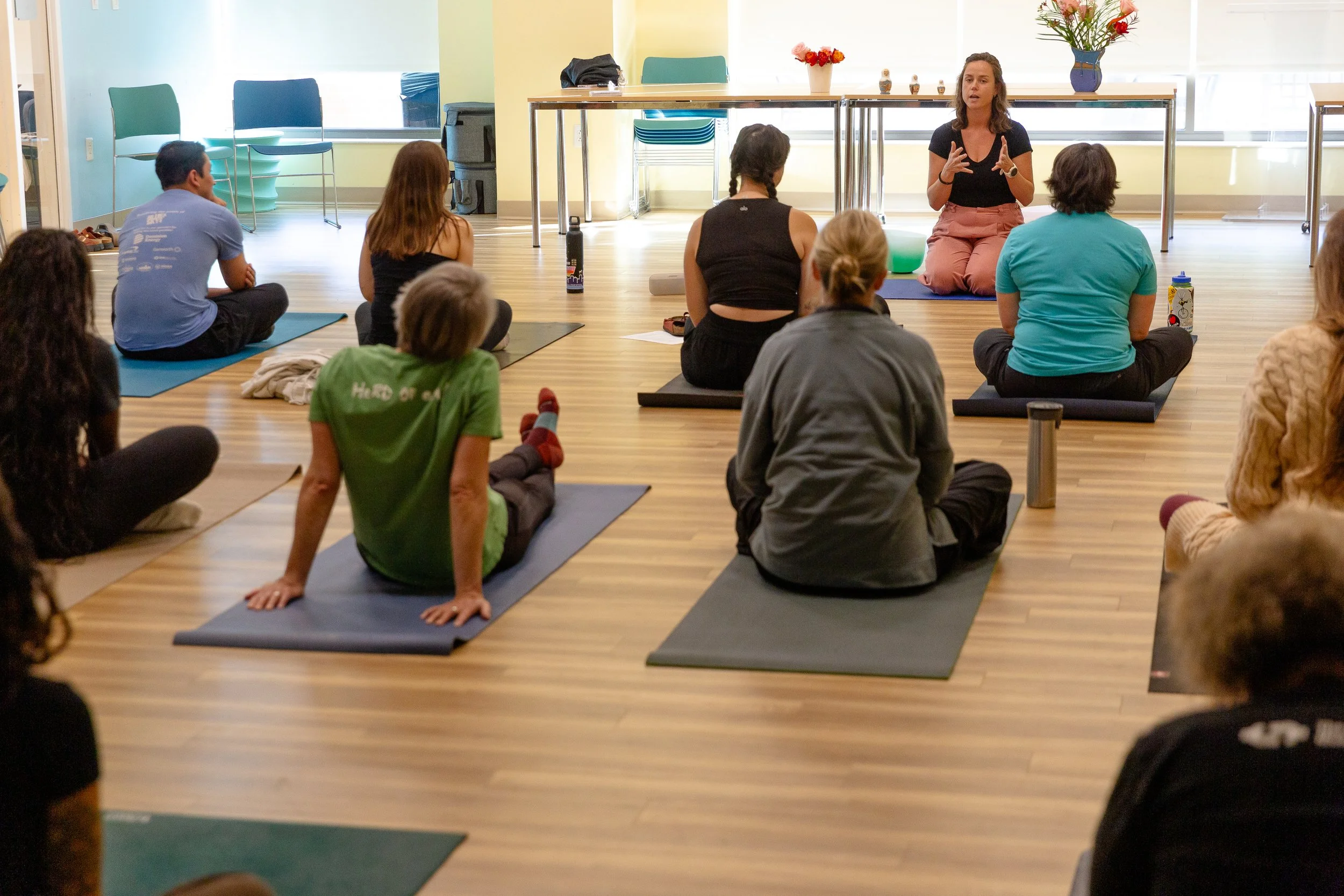
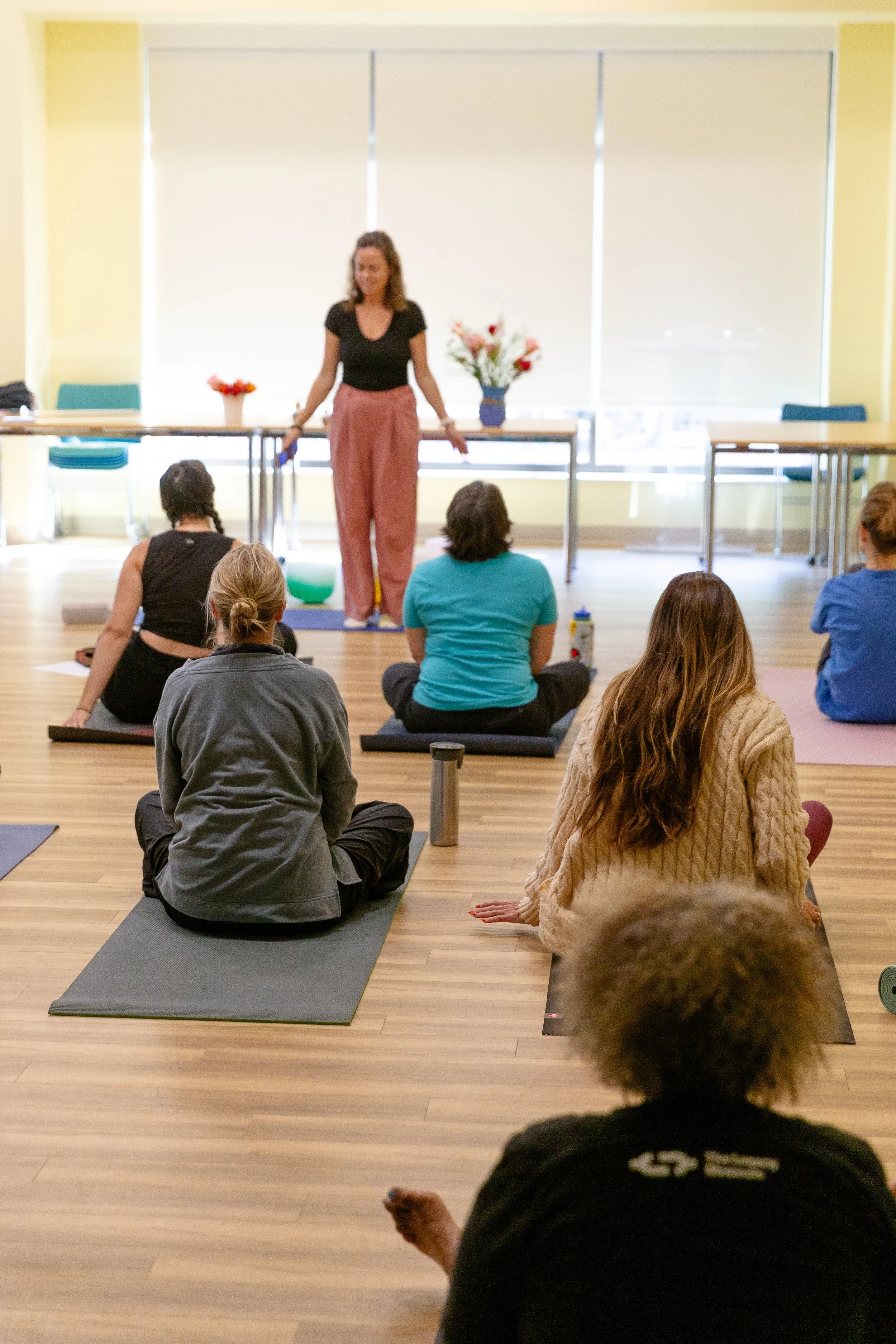
L.O.C.A.L. Adventures offers restorative staff wellness sessions designed for educators, counselors, nonprofit teams, and others who work with youth. Sessions incorporate accessible practices for stress management, mindfulness, movement, and reflection to support individual well-being while building more intentional, connected workplaces.
Through a seed grant from VCU Health Hub at 25th, L.O.C.A.L. Adventures brought a series of yoga, mindfulness, and wellness sessions directly to educators and community spaces across Richmond’s East End, serving 90+ educators in five months.
Building on the success of this series, we’re excited to offer educator wellness programming. Sessions can be customized for schools, nonprofits, and community organizations.
What we offer:
Single 60–90 minute wellness workshops
Four-part seasonal wellness series
Customized experiences based on your team’s needs
What participants can expect:
Gentle movement and yoga for all levels (option for chair yoga)
Breathwork for relaxation
Stress management practices you can take home with you
Resources compiled just for you (podcasts, meditations, books and youtube recommendations)
A soothing sound bath for nervous system relaxation
Self-reflection and guided journaling prompts
📓
What Teachers Are Saying
📓 What Teachers Are Saying
💡
What Research Says
💡 What Research Says
1. Educator burnout is at an all-time high—and directly impacts student outcomes.
Recent research shows that over 55–60% of educators report high levels of burnout, with chronic stress linked to reduced classroom effectiveness, lower student engagement, and increased turnover.
Source: American Federation of Teachers. (2025). Teacher and school staff mental health report. Washington, DC.
2. Mindfulness and yoga significantly reduce stress and improve emotional regulation in educators.
A 2025 meta-analysis found that mindfulness-based interventions (including yoga and breathwork) reduced stress, anxiety, and emotional exhaustion in educators by up to 30%, while improving resilience and emotional regulation.
Source: Jennings, P. A., et al. (2025). Effects of mindfulness-based interventions on teacher stress and well-being: A meta-analysis. Journal of Educational Psychology, 117(2), 345–362.
3. Nervous system regulation practices improve classroom climate.
Studies show that when educators engage in nervous system regulation practices, there is a measurable improvement in classroom tone, including reduced conflict, improved student behavior, and stronger teacher-student relationships.
Source: Schonert-Reichl, K. A., & Roeser, R. W. (2026). Teacher well-being and classroom climate: The role of social-emotional competence. Educational Researcher, 55(1), 12–25.
4. Even short wellness interventions (60–90 minutes) have a measurable impact.
Research from 2026 shows that brief, single-session wellness interventions (60–90 minutes) can significantly reduce perceived stress and improve mood for educators for up to several days following participation.
Source: Roeser, R. W., et al. (2026). Brief contemplative interventions for educators: Impacts on stress and well-being. Mindfulness, 17(1), 89–104.